Description
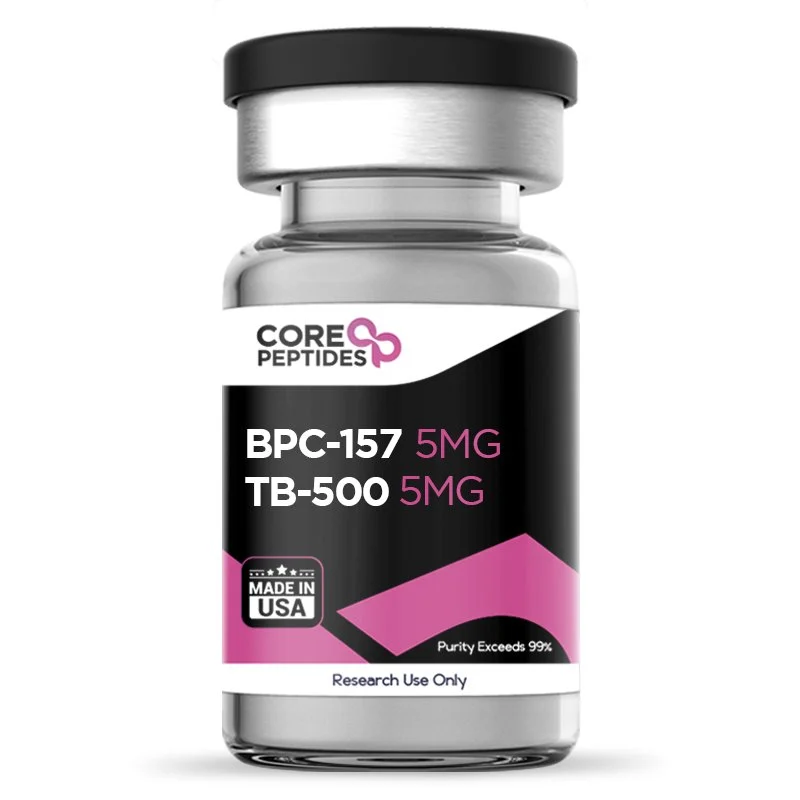
BPC-157 is a high-purity, synthetic pentadecapeptide (15 amino acids) supplied as a lyophilized (freeze-dried) powder in sterile vials, typically available in 5mg or 10mg sizes. This product is intended exclusively for laboratory and scientific research purposes, such as in vitro studies, animal models, or biochemical assays. It is not approved for human consumption, therapeutic use, medical treatment, or veterinary applications by any regulatory agency (e.g., FDA, EMA). All handling must comply with research protocols by qualified professionals.
Key Specifications
- Molecular Formula: C₆₂H₉₈N₁₆O₂₂
- Molecular Weight: 1419.5–1419.56 g/mol (average ~1419.5 Da)
- Amino Acid Sequence: Gly-Glu-Pro-Pro-Pro-Gly-Lys-Pro-Ala-Asp-Asp-Ala-Gly-Leu-Val (GEPPPGKPADDAGLV)
- CAS Number: 137525-51-0
- Synonyms: Body Protection Compound-157, Bepecin, PL-14736, PLD-116, PL-10
- Purity: ≥98–99% (verified by HPLC; third-party COA recommended)
- Appearance: White to off-white lyophilized powder
- Form: Single vial (requires reconstitution with bacteriostatic water or sterile saline for research use)
- Storage: Lyophilized form stable at -20°C or colder; after reconstitution, store at 2–8°C and use promptly to preserve stability
Research Background and Mechanism
BPC-157 is a stable fragment derived from a larger “Body Protection Compound” protein found in human gastric juice. First described in the early 1990s, it exhibits remarkable stability in acidic environments (e.g., gastric juice) and has been extensively studied in preclinical models for its cytoprotective (cell-protecting) and regenerative properties. Unlike full-length proteins, BPC-157 is fully synthetic, produced via solid-phase peptide synthesis.
Key mechanisms explored in animal and in vitro research include:
- Promotion of angiogenesis (new blood vessel formation) via pathways like VEGF/VEGFR2-Akt-eNOS signaling
- Enhancement of collagen synthesis, fibroblast activity, and extracellular matrix organization
- Modulation of inflammation (e.g., reducing pro-inflammatory cytokines while supporting resolution)
- Acceleration of tissue repair in models of tendon, ligament, muscle, bone, nerve, and gastrointestinal injury
- Neuroprotective effects in models of brain and peripheral nerve damage
- Counteraction of oxidative stress, free radical formation, and damage from toxins or trauma
- Potential interactions with growth hormone receptors, FAK-paxillin pathways, and NO-system regulation
Preclinical studies (primarily in rodents) have demonstrated accelerated healing in surgical trauma, toxic injury, musculoskeletal damage, and organ protection models, often with pleiotropic (multi-target) effects. Recent reviews (2025–2026) highlight its role in modulating angiogenesis, NO-system balance, and cellular survival without significant toxicity in tested models.
Potential Research Applications
In controlled laboratory settings, BPC-157 is commonly investigated for:
- Mechanisms of wound and tissue regeneration
- Musculoskeletal repair (tendons, ligaments, muscles, bones)
- Gastrointestinal cytoprotection and mucosal integrity
- Neuroprotection and CNS/PNS injury models
- Angiogenesis and vascular biology
- Inflammation resolution and oxidative stress countermeasures
It shows no reported sequence homology with known intestinal peptides and maintains bioactivity across various administration routes in animal models.
Important Notes
BPC-157 remains unapproved for any human or clinical use. Development as a therapeutic has not advanced to widespread approval, and human data are extremely limited. All products are sold strictly for research use only—not for diagnostic, therapeutic, or personal consumption. Researchers must follow proper sterile techniques, reconstitution guidelines, and safety protocols. Always verify purity via independent lab analysis (COA) and adhere to institutional guidelines.
Reviews
There are no reviews yet.